
July 8, 2026
Art as Therapy: How Painting and Drawing Boost Mental Health
Discover how painting, drawing, and other art forms can reduce stress, boost mood, and improve mental health. Learn why every artist—beginner or pro—can benefit from the therapeutic power of creating art.
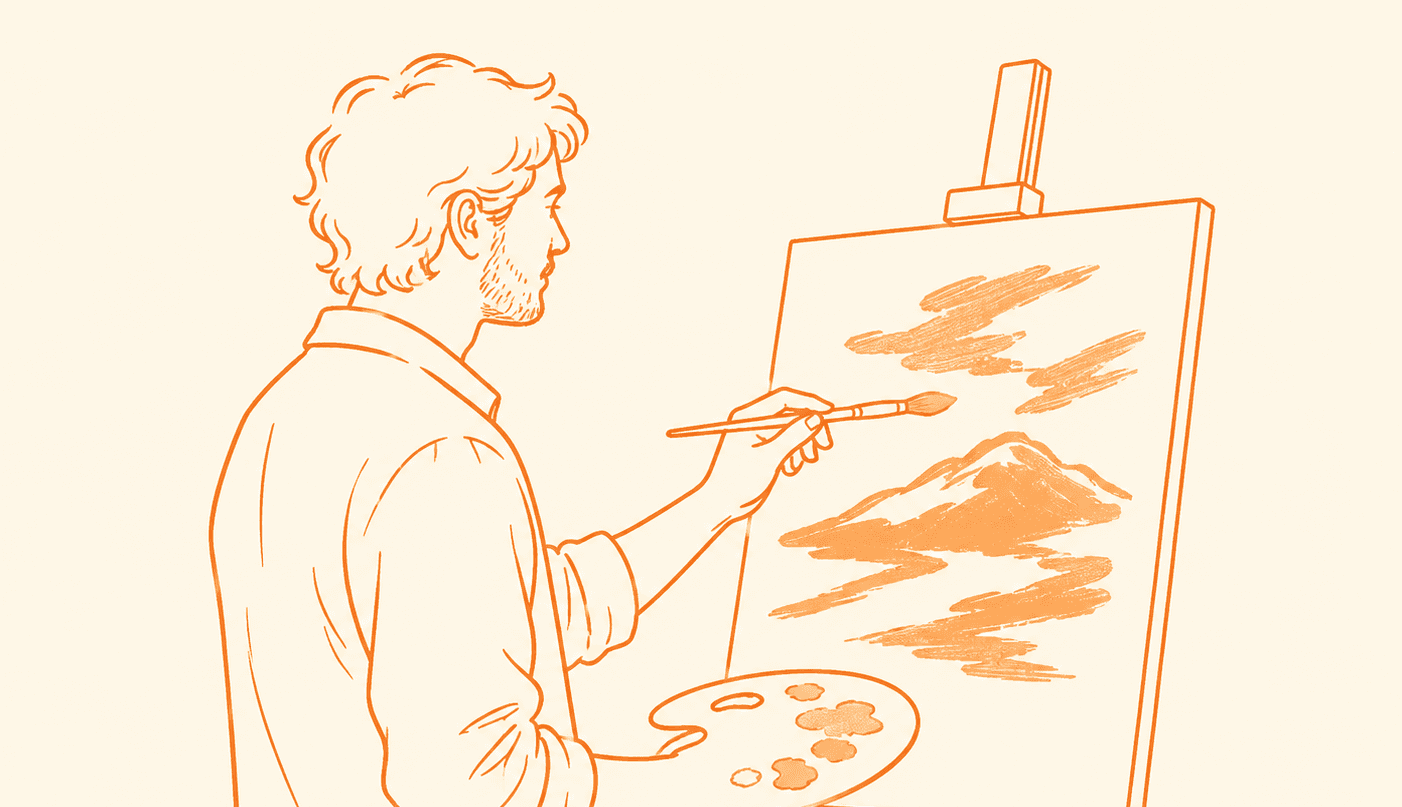
Why Making Art Is Therapeutic.
Art has been a part of human culture for thousands of years, but its therapeutic benefits are only now being fully recognized. Whether you're a seasoned artist or a beginner picking up a brush for the first time, creating art can have profound effects on your mental and emotional well-being. In this post, we'll explore why making art—whether through painting, drawing, or other forms—is a powerful tool for healing and self-discovery.
The Science Behind Art Therapy
Art therapy is a mental health profession that uses the creative process to improve physical, mental, and emotional well-being. But you don't need a therapist to experience the benefits. The act of creating art engages the brain in unique ways:
- Reduces cortisol levels: Studies show that creating art lowers the stress hormone cortisol, helping you relax.
- Increases dopamine: The pleasure of making something can release dopamine, the brain's "feel-good" neurotransmitter.
- Engages the default mode network: This brain network is associated with daydreaming and self-reflection, which can lead to insights and emotional processing.
How Painting and Drawing Benefit Your Mental Health
1. Stress Relief Focusing on a painting or drawing can be a form of mindfulness. When you're absorbed in mixing colors or sketching lines, your mind shifts away from worries and into the present moment. This meditative state reduces anxiety and promotes calm.
2. Emotional Expression Sometimes words aren't enough. Art provides a safe outlet for expressing complex emotions like grief, anger, or joy. An artist can use color, texture, and form to communicate feelings that are hard to verbalize.
3. Boosted Self-Esteem Completing a piece of art gives a sense of accomplishment. Even small creations can build confidence and remind you of your capabilities. This is especially valuable for those struggling with self-worth.
4. Improved Focus and Concentration The creative process requires attention to detail. Regular practice of painting or drawing can enhance your ability to concentrate, which carries over into other areas of life.
5. Cognitive Stimulation Creating art challenges your brain to solve problems—like how to mix a certain shade of blue or how to capture a perspective. This keeps your mind sharp and can even help prevent cognitive decline.
Art as a Form of Self-Care
Incorporating art into your routine is a form of self-care. You don't need to be a professional artist to benefit. Here are simple ways to start:
- Doodle in a notebook during breaks.
- Try adult coloring books for a low-pressure creative activity.
- Set aside 15 minutes a day to sketch or paint without judgment.
- Join a local art class or online community to share your work.
Overcoming the Fear of "Not Being Good Enough"
Many people avoid art because they think they lack talent. But the therapeutic benefits come from the process, not the product. Let go of expectations and focus on the act of creating. Remember:
"Art is not about being perfect. It's about expressing yourself."
Real Stories: Artists on the Healing Power of Art
Case Study 1: Sarah's Journey with Grief After losing her mother, Sarah turned to painting. She says, "I couldn't find words for my pain, but I could put it on canvas. Each brushstroke helped me process my loss."
Case Study 2: Mark's Battle with Anxiety Mark, an accountant, started drawing during his lunch breaks. "It's my escape from the chaos. When I draw, my mind goes quiet. It's the only time I feel truly at peace."
Tips for Starting Your Own Art Practice
1. Gather simple supplies: A sketchbook and pencil are enough to begin.
2. Create a dedicated space: Even a small corner can become your creative sanctuary.
3. Set a timer: Start with short sessions to build the habit.
4. Don't compare: Your art is unique to you. Avoid comparing to others.
5. Experiment: Try different mediums like watercolor, charcoal, or digital art.
Conclusion
Making art is not just a hobby—it's a therapeutic practice that nurtures your mind, body, and soul. Whether you paint, draw, or sculpt, the act of creating can reduce stress, improve mood, and foster self-discovery. So pick up that brush, let go of perfection, and start your journey toward healing through art.